Differences with the Japanese Version and Censorship
Japanese versions of Zelda games are a bit of a battleground for me. Often largely unknown, fans tend to seek information in the American versions of the series' games, which sometimes contain more translation errors than other versions! So, in February 2021, I launched my project Zelda - Les Légendes Originelles which aims to cover all games in the series in their original Japanese version, and to explain, among other things, what we, Westerners, missed; whether it be textual, visual, cultural differences, removed game modes, etc. etc. Everything will be accessible in YouTube videos / Twitch streams. Details of the project at this address. Please note however, that the project will most likely be French only.
Zelda ALTTP will obviously be covered when its turn comes, and I will provide the necessary links when the videos about it are available.
Like any good game of that era, the Japanese version always has some differences compared to Western versions, whether it's glitches that were present in the Japanese version and were fixed before the game was released in the USA / Europe, reduced difficulty, certain adapted sprites, or censored passages / texts.
The Title Screen
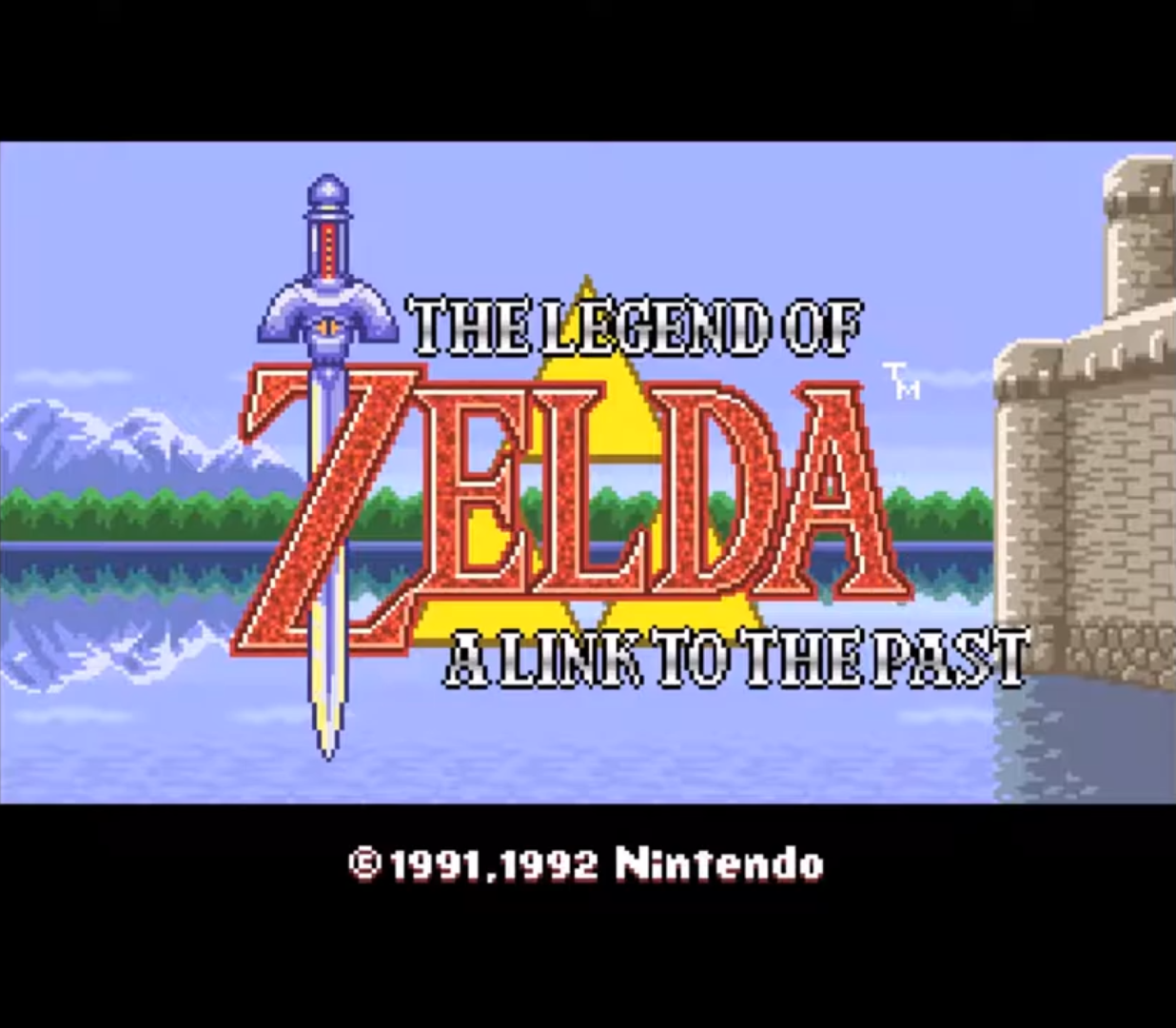
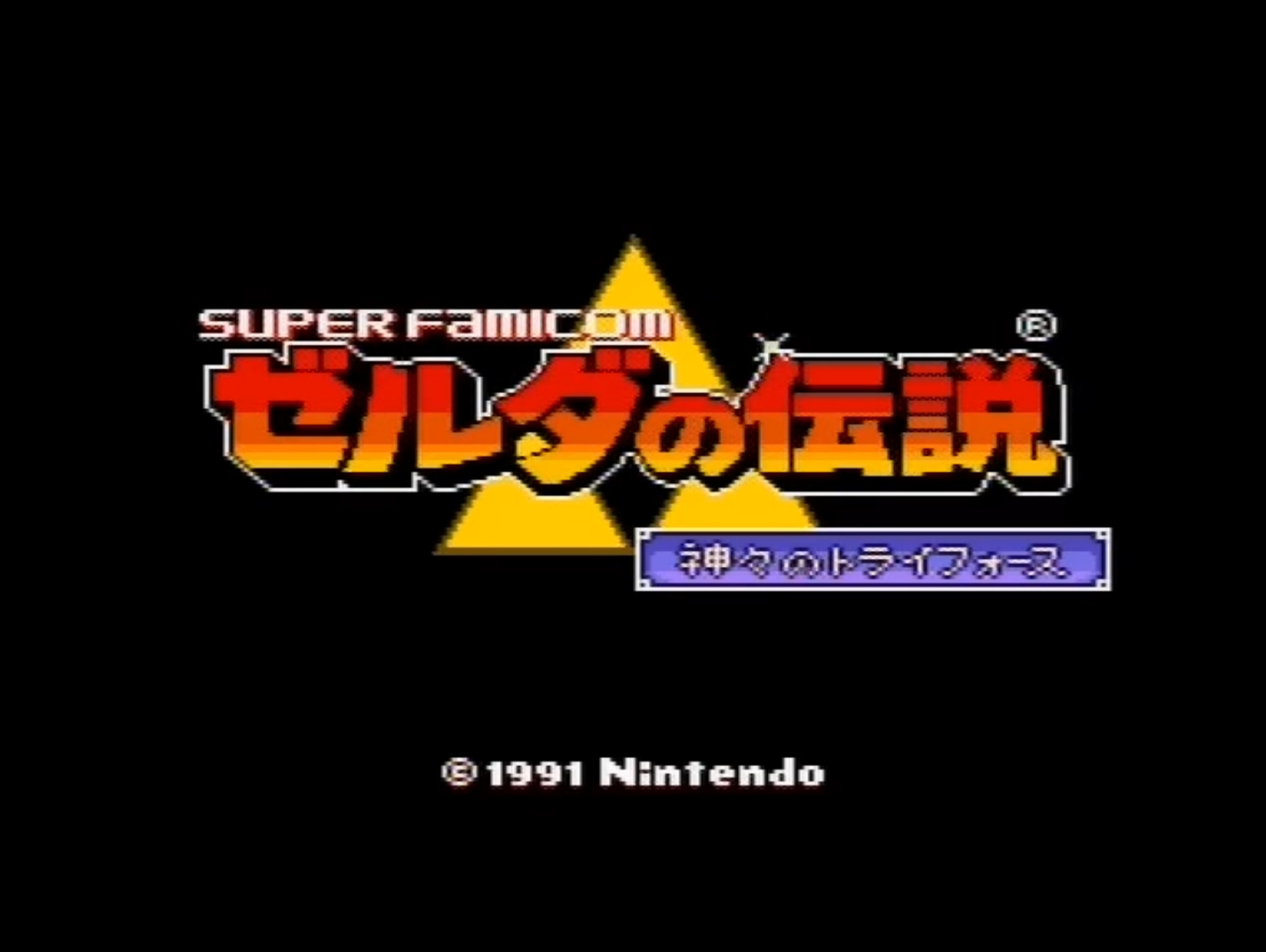
As can be seen above, the game's title screen is fundamentally different in its Japanese version compared to what we experienced in the West. What strikes first and foremost is the background, which is completely absent in the 1991 version; it's a plain black background and that's it. Personally, what impresses me is that they took the trouble to draw an entire background for the non-Japanese versions; it was a relatively rare effort at the time! This background would also be used in the Japanese GBA version.
This title screen features other details, such as the date: the Japanese version was released in 1991 but the US / European versions in 1992. But beyond this irrelevant change, you may have noticed the small "Super Famicom" above the Japanese title: the console was still new in late 1991, and it was a perfect opportunity to highlight it. Moreover, this layout can be interpreted as "this is the Super Famicom version of The Legend of Zelda", which sells dreams almost instantly!
The Master Sword is also highlighted on the Western title screen, which is not surprising given its significant role in the game's story (it's the goal of the Light World quest after all). However, it's absent from the Japanese version: apparently, the console running the game is more important than the sword that seals evil 😛. In any case, below are two videos showing, in turn, the complete introduction (title screen + demo) of a Western version of the game, as well as that of the Japanese version.
The file selection screen
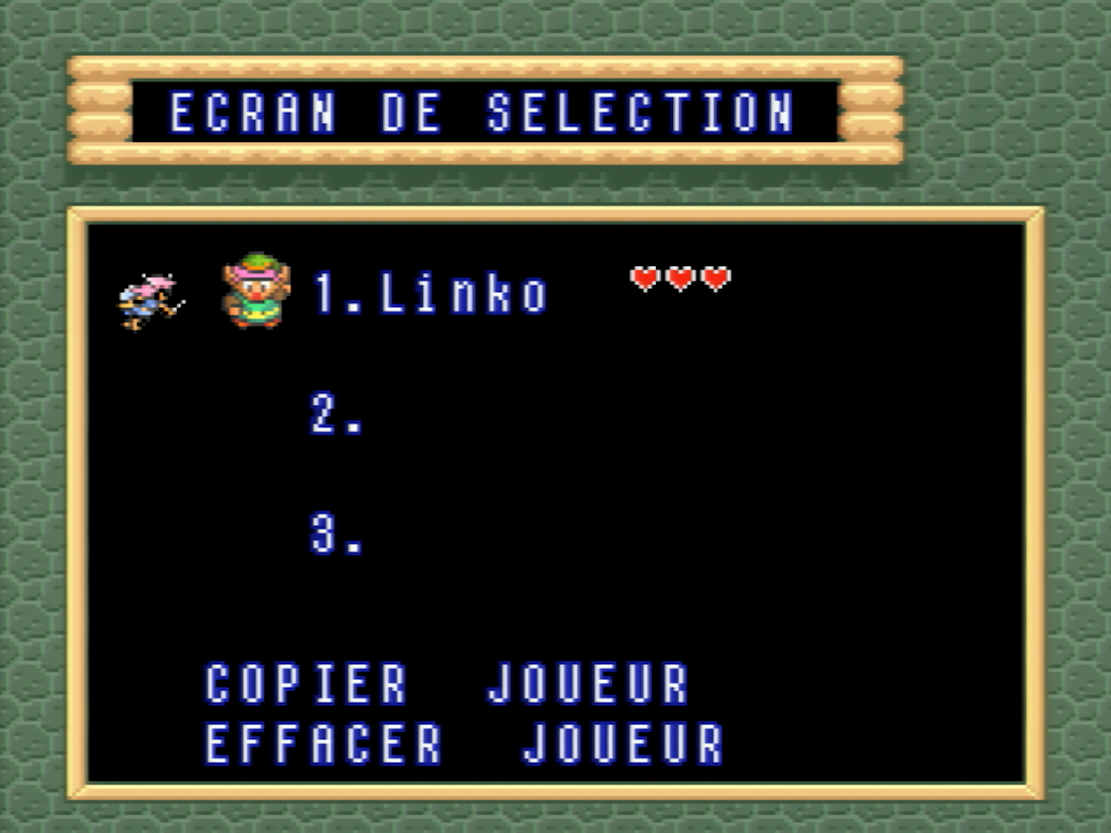
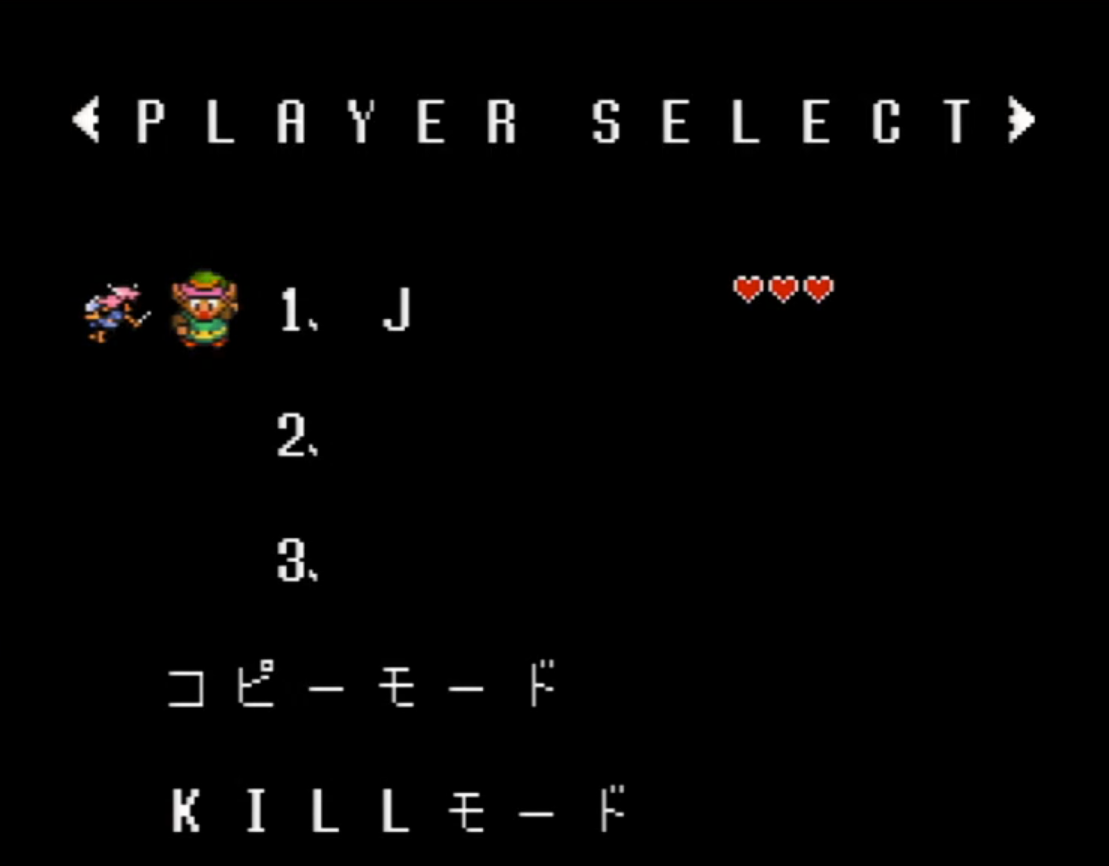
The file selection screen is also greatly modified. As can be seen above, the Japanese version is super simple, just like the title screen, and the Western versions add graphical elements to make it a little less austere. Also note the "KILL MODE" which comes straight from the first two Zelda games! Indeed, in the Japanese manual of the very first Zelda, a "save file" was presented as a "Link" that the player could create... or "eliminate."
The other detail not really visible in the screenshots above is regarding the available characters. Obviously, in the Japanese version, both Japanese syllabaries are available in addition to the Latin alphabet (uppercase letters only), while in the Western version, lowercase letters are added and Japanese characters are removed. Furthermore, the file name was limited to 4 characters in Japan, and 6 characters in our regions.
Censorship
The Game Title
In the 1990s, if video games contained references to religion, sex, or other things, the game was then modified to meet the puritanical criteria of Nintendo of America. Thus, the original title, 神々のトライフォース (Kamigami no Triforce) which means "The Triforce of Goddesses" was changed for two reasons:
- The word 神々 (kamigami) was mistranslated as "Gods" instead of "Goddesses"
- The reference to "God" or "Gods," whatever they may be, is a religious reference, and therefore unacceptable
Just like with Link's hair, today, we still have no explanation as to why the Western title became "A Link to the Past." Of course, there are suppositions and rumors, and we can list a few:
- Perhaps the Dark World was envisioned during an early stage of the game's development as a world in the past, and the passage between the two worlds was originally a time travel mechanic? This would coincide with what Ocarina of Time later became.
- The game being seen as a reboot of the first Zelda, a return to its roots, thus created a "link to the past," hence, perhaps, the Western title?
In any case, beware of those who confidently give you THE reason behind the game's Western title; they truly know no more than you do.
The good Priest, the bad Priest, and the Temples
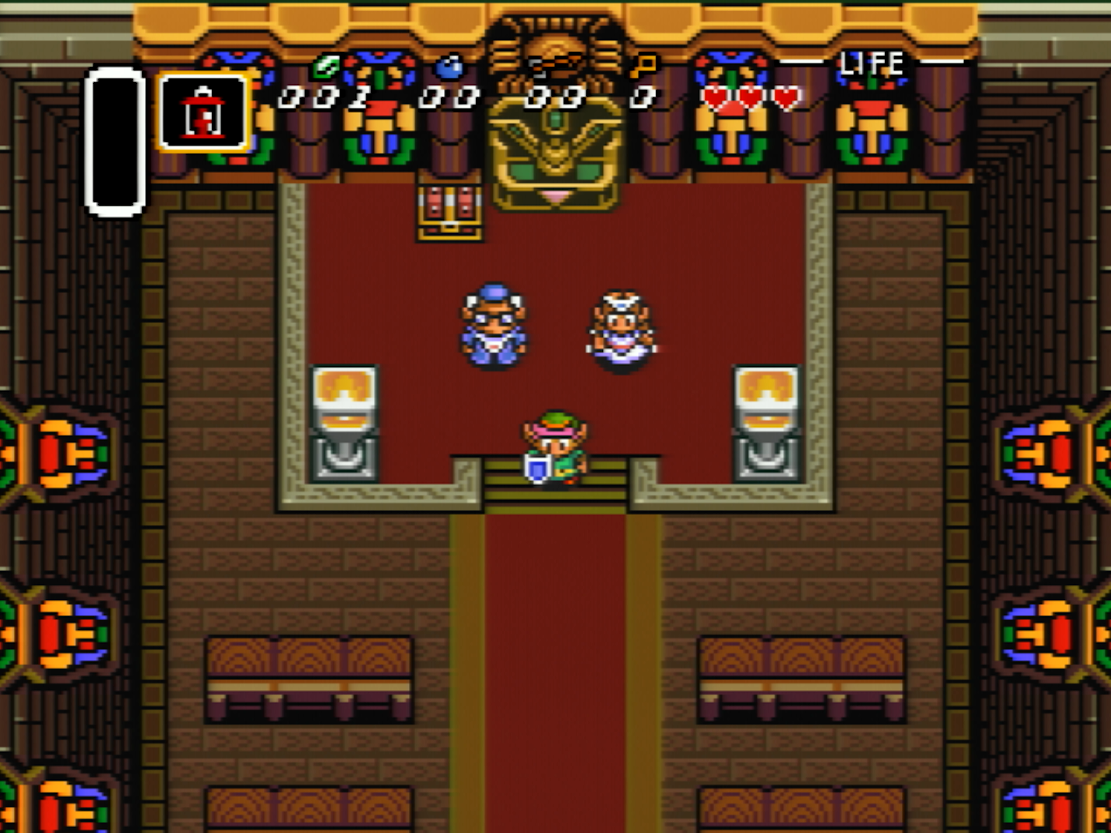
The "Sanctuary Master" is actually a "priest" who hides Zelda during the first part of the game in his "church." Indeed, in the Japanese version, the term used to designate him is 神父 (shinpu: priest), and the Sanctuary is called 教会 (kyoukai: church) pretty much everywhere (on signs, etc.). I mean, when you see the stained-glass windows on the sides of the building, it's pretty clear 😅.
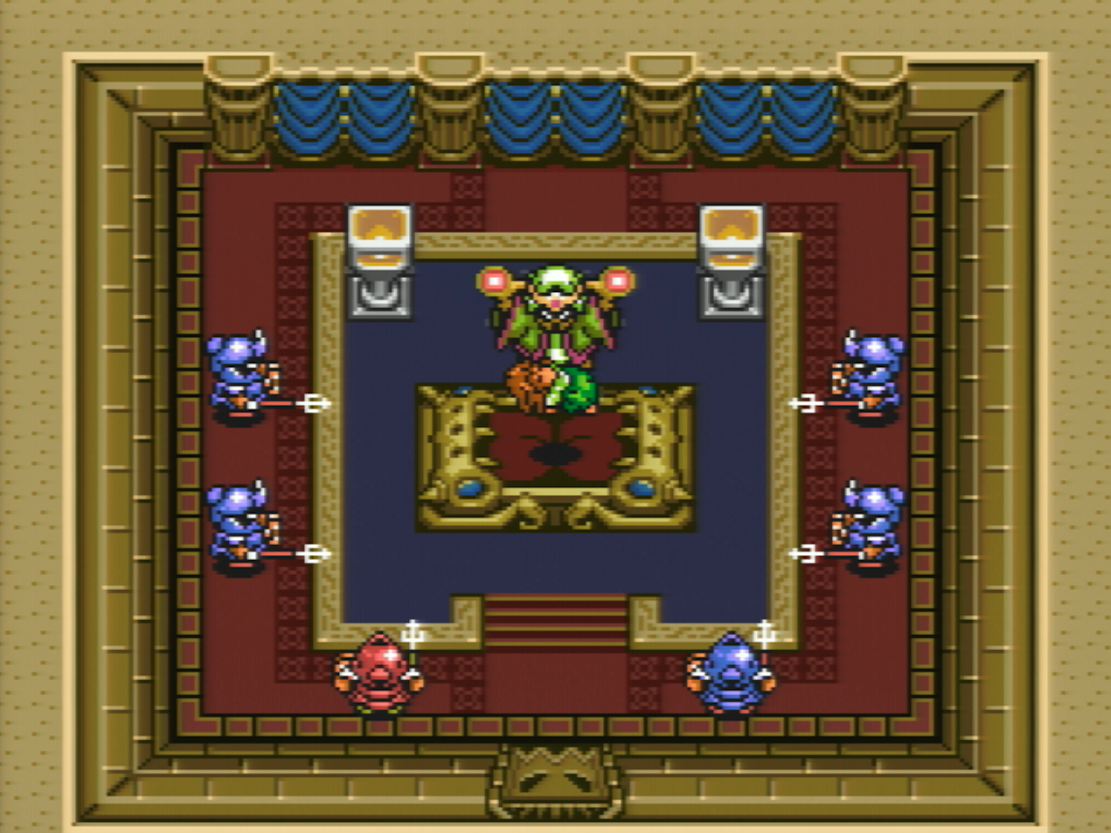
Agahnim, too, suffered from censorship. Our favorite wizard, even if he has magical powers, is no wizard. He is a priest too! He is indeed referred to as 司祭 (shisai: priest), which is unequivocal. Don't ask me what is the difference between 神父 and 司祭, I absolutely don't know. In any case, these little details are not a big game changer, but we can see that religion in the lore of A Link to the Past still holds a significant place.
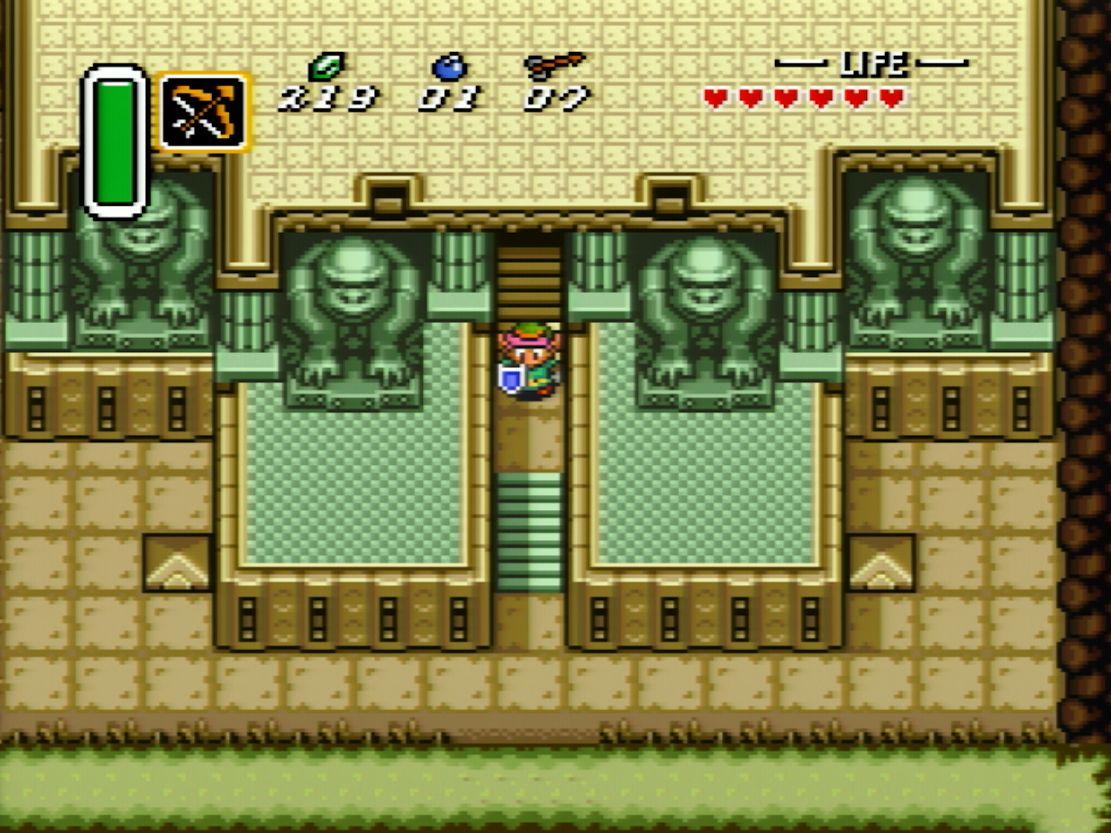
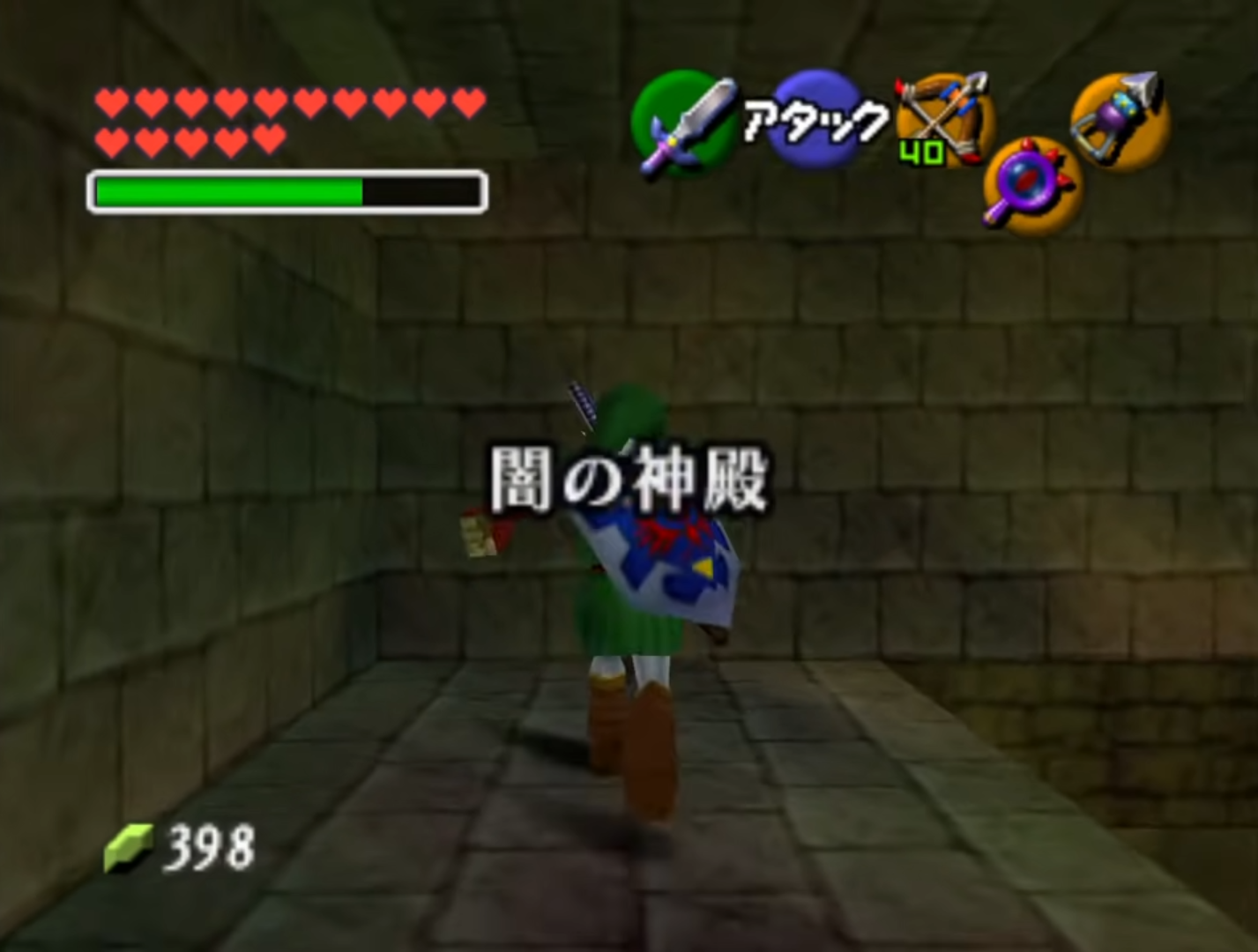
Finally, let's talk about the palaces. Almost all dungeons are "Palaces" in this game: the "Eastern Palace", the "Palace of Darkness", the "Swamp Palace"... It's important to know that this is absolutely not the case in the original Japanese version, and that all dungeons are distinguished, we detail them in the page dedicated to them. That said, many of them feature the term 神殿 (shinden: temple). This word, which will be used many times in the series, does not mean "palace"; there are other words that can be translated that way, but not this one. The term was probably changed there too to avoid any religious connotation. I cannot, however, explain why they kept the term "Sanctuary" in this case!